What Happens if You Refuse a Breathalyzer in Florida?
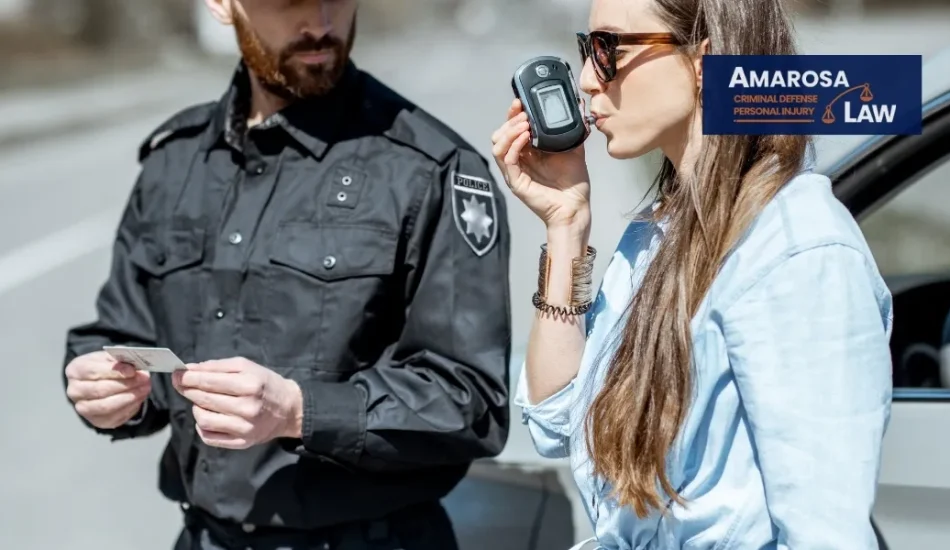
Driving through St. Petersburg’s vibrant streets or cruising along the Pinellas County coastline offers a sense of freedom. But that feeling can change in an instant when you notice police lights behind you. A routine stop can become a high-stakes legal dilemma when an officer requests a chemical test, especially for drivers who don’t really want to take it. If you’re in this situation, you need an understanding of what happens if you refuse a breathalyzer in Florida.
Turn to Amarosa Law Firm P.A. for the answers and guidance you need. We’re committed to providing Floridians with reliable, accurate legal support and working diligently to achieve fair outcomes for drivers’ futures.
Road Accidents as They Happen in Florida
Local enforcement remains aggressive because impaired driving continues to pose a significant risk to the community and the entire Sunshine State. State data reveal the following figures when it comes to alcohol-related road incidents:
- In 2024, alcohol played a role in 4,885 reported crashes.
- Alcohol-related crashes resulted in 323 fatalities in 2024.
- Accidents caused by drunk driving resulted in 301 incapacitating injuries.
These statistics drive the rigorous prosecution of driving under the influence (DUI) cases in courthouses in the 6th Judicial Circuit, such as the Pinellas County Justice Center on 14250 49th Street in Clearwater. This makes it essential to have a DUI attorney who understands how local judges and prosecutors approach refusal cases.
Florida DUI Laws Under Trenton’s Law and the Implied Consent Rule
Under Florida Statute § 316.193, a driver is considered impaired if their blood alcohol content (BAC) is 0.08% or higher. While the breathalyzer is the number-one tool used to measure this, refusing to do it won’t end an investigation against you.
Florida operates under implied consent statutes, meaning that by accepting a driver’s license, you’ve already agreed to submit to approved chemical tests if lawfully arrested for driving under the influence. However, the landscape of these laws shifted significantly with recent legislative updates.
Choosing to say no to a breath, blood, or urine test triggers a chain of events that moves your case beyond a standard traffic stop and into a complex criminal and administrative battle. This is mainly because a major change occurred with the implementation of House Bill 687, also known as Trenton’s Law. So now, Florida DUI laws create separate criminal charges for refusing a lawful test.
Strategies for Challenging a Refusal
A skilled legal team doesn’t accept the officer’s report at face value. Instead, they can meticulously dissect every procedural step taken during your encounter. This investigation includes:
- Reviewing implied consent warnings. Officers must follow specific protocols when reading the implied consent warning. If the warning was confusing or incomplete, the refusal might not be admissible in court.
- Analyzing field exercises. A lawyer can look for flaws in the administration of field sobriety tests, often conducted under poor conditions like uneven ground or heavy wind, which can skew the officer’s perception of impairment.
- Forensic scrutiny. It’s also important to check whether any physical or medical conditions made it difficult for you to comply with the test, providing a legitimate reason for the refusal that doesn’t involve intoxication.
Hire an Honest DUI Lawyer
When facing the fallout of a test refusal, the decision to hire a DUI lawyer serves as your first line of defense against the state of Florida. The legal system in Pinellas County moves quickly, and a dedicated advocate can intervene to protect your interests. By securing counsel early, you provide yourself with the opportunity to challenge administrative license suspensions and begin a thorough investigation into the validity of the initial traffic stop.
Rely on Amarosa Law Firm P.A.
Amarosa Law Firm P.A. is committed to fully supporting community members who are facing challenges in Pinellas County. We recognize the fear and stigma associated with a DUI case and tackle every matter with vast experience. What sets our firm apart is the unique background of our lead attorney, who has experience teaching crime scene evidence, forensic analysis, and criminal justice.
This scientific insight allows our team to meticulously examine the technical details of your case. We often find flaws in evidence collection or testing methodology that others overlook. When you hire a DUI attorney from our firm, you gain an advocate who understands the science behind the breathalyzer and the strict procedural requirements of Florida law.
FAQs
Are You Automatically Guilty if You Refuse a Breathalyzer in Florida?
No, you’re not automatically guilty if you refuse a breathalyzer in Florida. A refusal isn’t a confession. Prosecutors may use it to argue you knew you were impaired, but the state still holds the burden of proof. It creates a separate criminal charge under current statutes, but a conviction for the DUI itself requires evidence beyond the simple act of saying no to the test.
Is It Better to Refuse a Breathalyzer in Florida?
Whether it’s better to refuse a breathalyzer in Florida depends on the circumstances. Refusing keeps potentially high breath alcohol content (BAC) evidence out of the prosecution’s hands, but it triggers an automatic license suspension and criminal charges under Florida laws. Deciding requires a quick assessment of your situation, as the immediate administrative penalties can be harsher than those following a first-time conviction with low BAC.
Can a DUI Refusal Be Dismissed in Florida?
Yes, a DUI refusal can be dismissed in Florida when a legal professional identifies flaws in the stop or the warning process. If the officer lacked reasonable suspicion to pull you over or failed to read the implied consent warning correctly, the refusal evidence might become inadmissible. Without this evidence, the prosecution often lacks the strength to continue with the charges.
How Can I Beat a DUI Refusal Charge in Florida?
One way you can beat a DUI refusal charge in Florida is if your lawyer can challenge the legality of the initial encounter or the officer’s adherence to protocol. An effective attorney can look for lack of probable cause, improper administration of field exercises, or failure to follow the specific requirements of Trenton’s Law. Focusing on these technical details can dismantle the state’s case.
Protect Your Future with a Strong Defense
A DUI charge or a test refusal does not have to be the end of your story. With the right legal team, you can challenge the assumptions of the prosecution and preserve your reputation and your livelihood. Contact Amarosa Law Firm P.A. today. We’re here to listen, explain your options, and provide the aggressive advocacy you need to move forward.

© Copyright 2026 Amarosa Law Firm P.A. All rights reserved.
Digital Marketing By 
*Images are obtained under license from Canva and other third-party stock image providers, with attribution included where required.